Guide · 6 min · 2 Oct 2026
How to Experience Chhath Parwa Respectfully
A practical guide to Chhath Parwa: riverside etiquette, offerings, photography and the meaning of dawn and dusk.
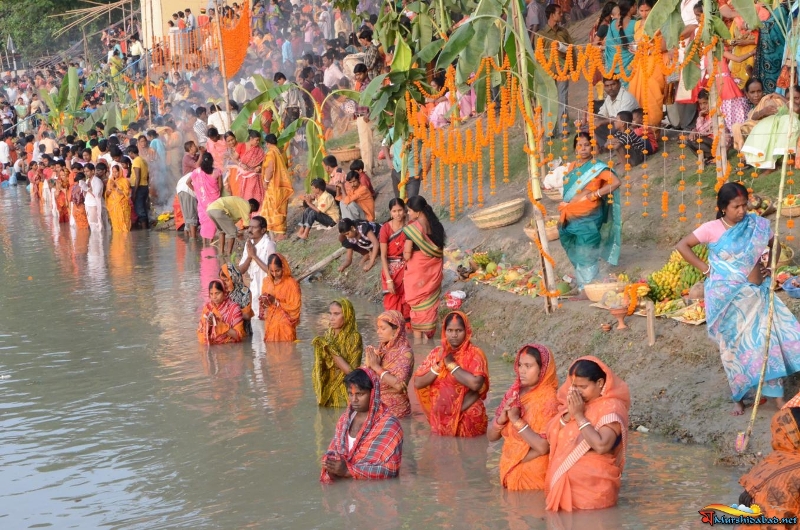
Chhath Parwa is a deeply devotional festival centred on worship of the Sun and the natural world. It is especially associated with Bihar and eastern Uttar Pradesh, and its rituals bring families and communities to rivers, ponds and other water bodies.
For visitors, the most respectful way to experience Chhath is to observe without getting in the way of worship. The riverside is a sacred space during the rituals, so patience, modesty and attention to local instructions matter.
Why dawn and dusk matter
Chhath is distinctive because devotees offer Arghya, a ritual offering of water, to both the setting and rising sun. Bihar Tourism describes the evening offering to the setting sun as Sanjhiya Arghya, followed by the final pre-dawn gathering for the offering to the rising sun. :contentReference[oaicite:0]{index=0}
This makes the two riverside gatherings particularly important. At dusk, expect devotees carrying baskets of offerings and gathering at the water's edge. Before sunrise, the atmosphere becomes quieter and more focused as people prepare for the morning ritual.
If you attend either gathering, arrive early enough to find a suitable viewing position without pushing through the crowd. Do not assume that the best photographic viewpoint is also an appropriate place to stand.
Riverside etiquette
- Stay outside ritual spaces. Follow barriers, marked routes and directions from volunteers or local authorities. Never step into a place reserved for devotees simply for a closer view.
- Do not interrupt the Arghya. Give worshippers room while they pray, make offerings or stand in the water.
- Keep the ghat clean. Do not leave plastic, food packaging or other waste behind. Use designated bins where available.
- Dress modestly. Choose comfortable clothing that covers the shoulders and knees, particularly around religious gatherings.
- Take care near water. Riverbanks can be crowded, slippery and uneven. Keep children close and obey local safety instructions.
Offerings and photography
Visitors may see bamboo baskets and trays filled with fruits, sweets and other ritual offerings. Offerings are part of worship, not props, so do not touch, move or rearrange them for a photograph.
Ask permission before taking close-up photographs of people. Bihar Tourism's travel guidance specifically advises visitors to seek permission before photographing individuals or sensitive locations. :contentReference[oaicite:1]{index=1}
During prayers, keep your phone or camera unobtrusive. Avoid using a flash close to worshippers, blocking someone's view for a shot, or asking devotees to repeat a ritual for a photograph. Wide views from a designated public area are generally less intrusive than close portraits.
How to be a considerate visitor
Chhath includes fasting, ritual purity, bathing and carefully prepared offerings. Bihar Tourism describes it as a four-day observance, with the third day centred on the evening offering and the final day on the offering to the rising sun. :contentReference[oaicite:2]{index=2}
You do not need to imitate rituals to appreciate the festival. Listen to the songs, observe how families prepare their offerings and notice how the riverside changes between dusk and dawn. If someone invites you to share prasad, accept graciously if it suits your dietary needs, or politely decline.
Most importantly, leave space for worshippers to carry out their observances without becoming part of the spectacle. A quiet, attentive presence allows you to experience Chhath while respecting the people for whom the gathering is a sacred act of devotion.
More guides
Keep reading
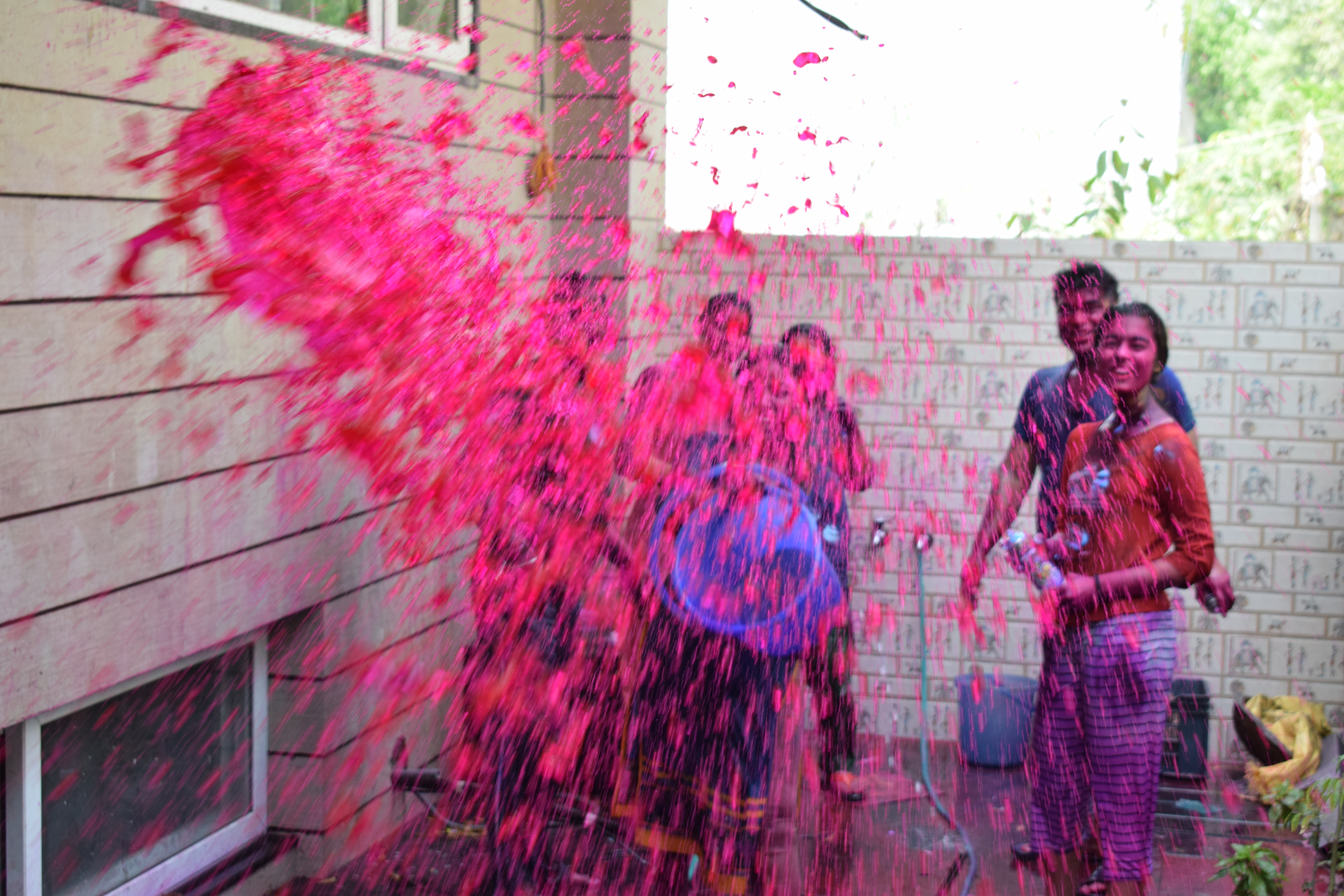
How to Enjoy Holi Respectfully
Colour, consent, and safety for Holi’s play day — practical advice for first-time participants.

A Visitor's Guide to Diwali
Lamps, family gatherings, and regional traditions — how to share Diwali without turning it into noise.

How to Experience Navratri Respectfully
Garba, fasting, and regional traditions — practical etiquette for nine nights of Navratri.