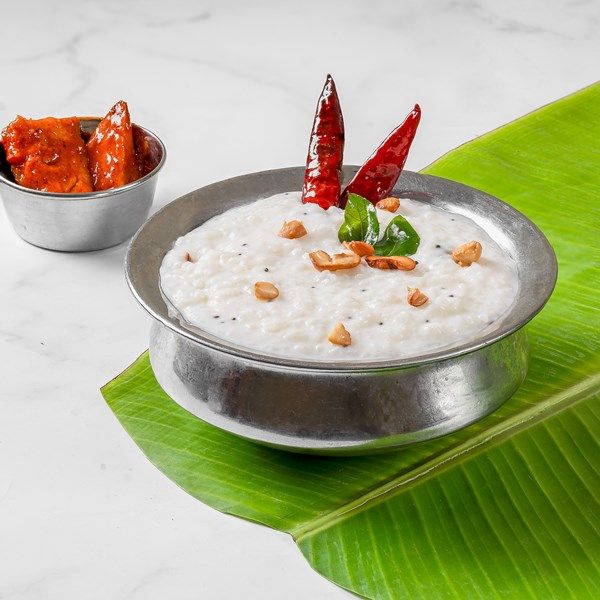
Sakkarai Pongal
A sweet rice and lentil preparation with jaggery, ghee, cardamom, cashews and raisins, commonly served as temple prasadam.
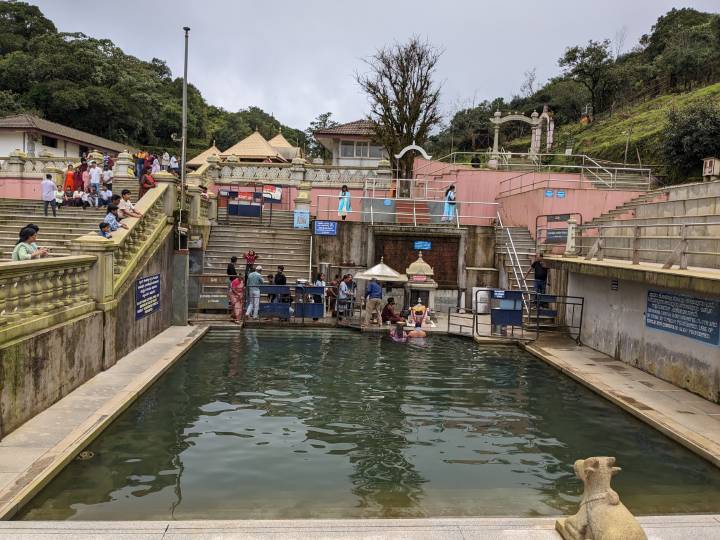
Hindu religious & cultural
Also known as Kaveri Pushkaralu
A sacred river festival honoring the Kaveri with ritual bathing, prayers, offerings and cultural gatherings.
Kaveri Pushkaram is a major Hindu river pilgrimage centered on the Kaveri, one of southern India's most revered rivers. The observance takes place at bathing ghats, temples and other sacred places along the river, particularly in Karnataka and Tamil Nadu.
Like other Pushkaram festivals, it combines ritual bathing with prayers, offerings, ancestor rites, devotional gatherings and cultural programmes. The festival is associated with Jupiter's movement into Tula, or Libra, in the traditional zodiac cycle.
Reverence for Kaveri — The river is venerated as a sacred and life-giving presence, associated with fertility, agriculture, purification and spiritual well-being.
Purification — Devotees traditionally take a sacred bath in the river as an act of prayer and spiritual renewal.
Honouring ancestors — Rituals such as tarpanam and other forms of ancestral remembrance are performed at the riverbank by those observing these family traditions.
Pushkaram tradition — Hindu tradition associates Pushkara, a divine presence connected with sacred waters, with the rivers during their respective Pushkaram periods.
The Pushkaram tradition connects twelve sacred rivers with the twelve zodiac signs and the movement of Jupiter. Kaveri is associated with Tula, or Libra, and its Pushkaram is traditionally observed when Jupiter enters that sign.
2017 — Kaveri Maha Pushkaram was held along the river, with prominent activity at places including Mayiladuthurai and Srirangam. Programmes included sacred bathing, Vedic recitation, homams, devotional music, cultural performances, annadanam and ancestor rites.