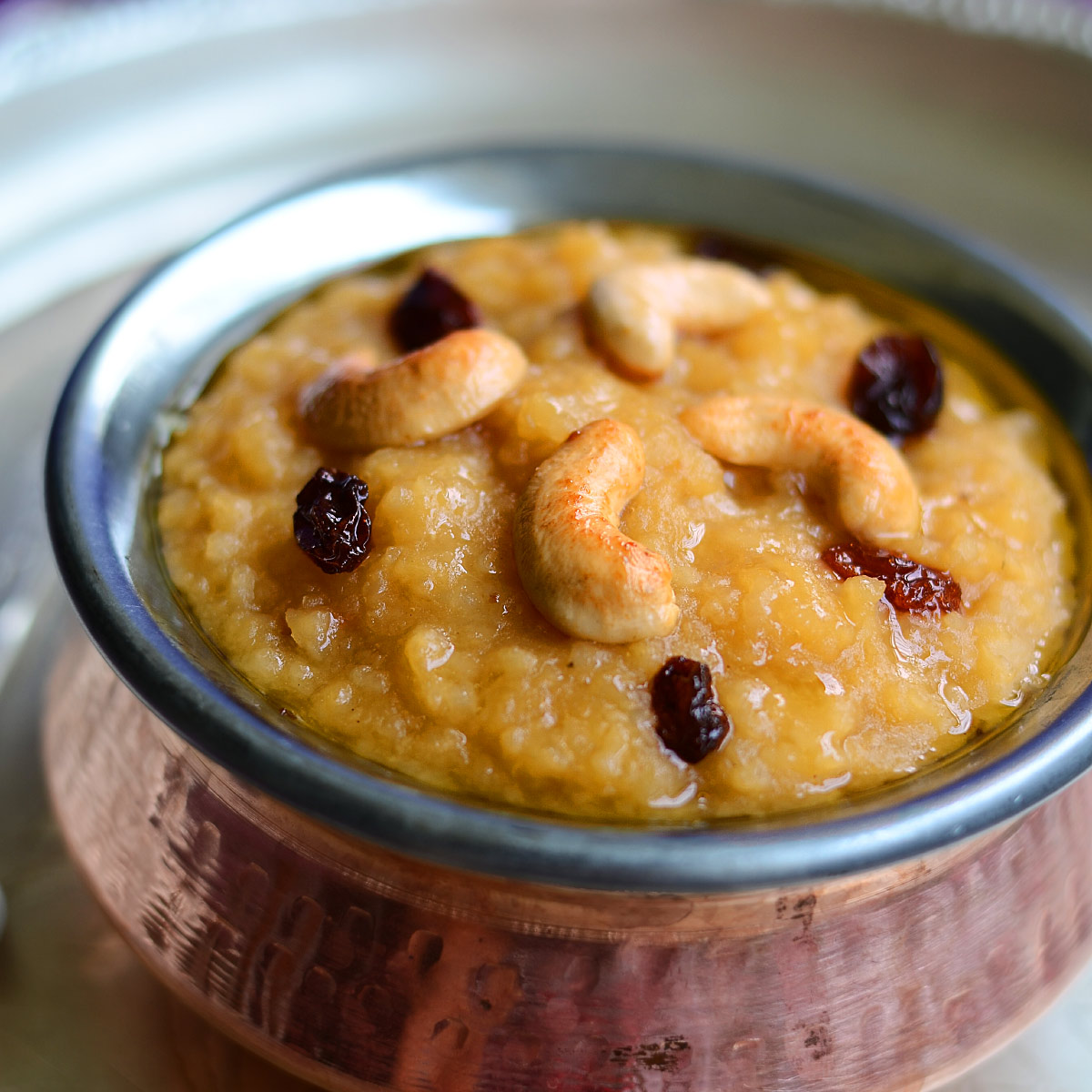
Sakkarai Pongal
A sweet preparation of rice, moong dal and jaggery enriched with ghee, cardamom, cashews and raisins.
Harvest & cultural
Also known as காணும் பொங்கல்
The closing day of Pongal, centered on family visits, outings, kinship and shared food.
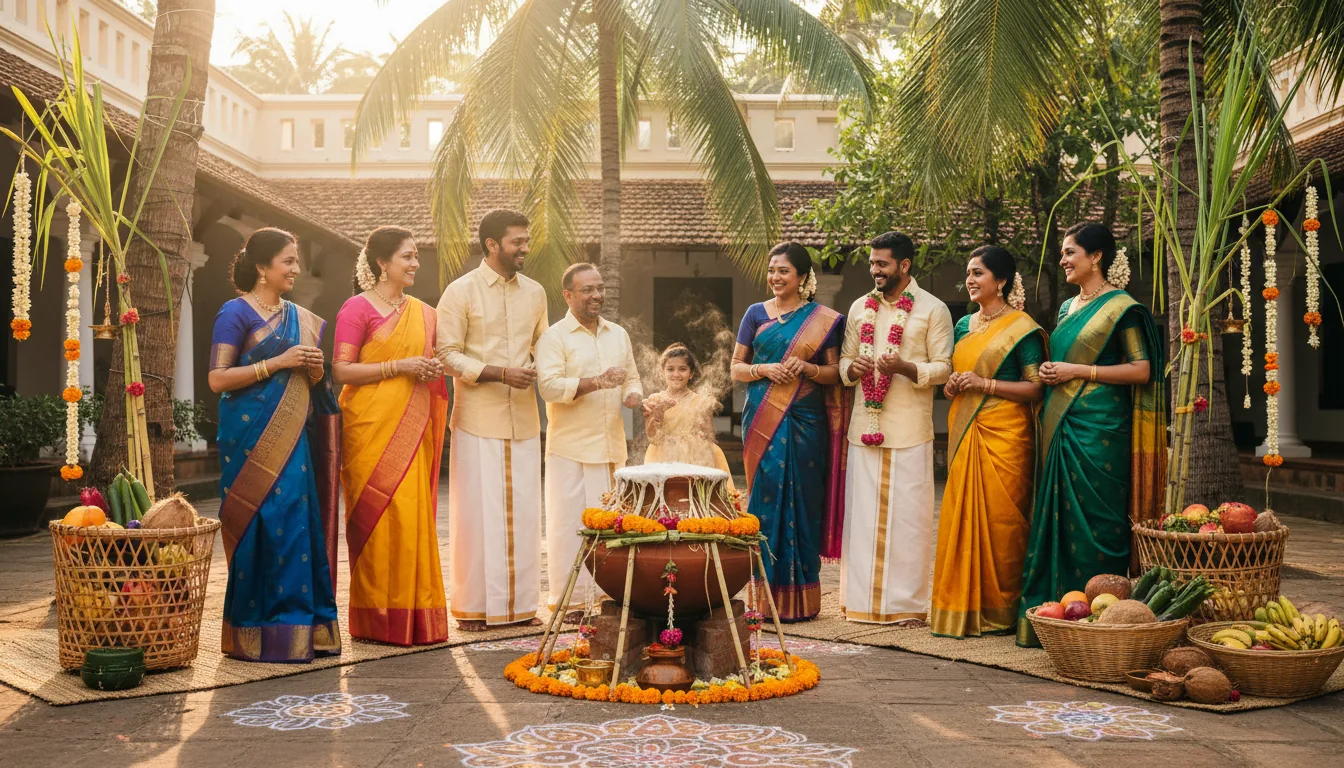
Kaanum Pongal is the fourth and final day of the four-day Pongal festival observed by Tamil communities. Its name is commonly understood as relating to seeing, visiting or meeting people, reflecting the day's emphasis on family and social relationships.
After the harvest-focused observances of Pongal and the cattle-centered Mattu Pongal, Kaanum Pongal turns attention toward relatives, friends, community gatherings and outdoor leisure. The scale and form of observance differ between households and regions.
Kinship — The day provides an opportunity to visit relatives, meet friends and strengthen family relationships after the principal harvest observances.
Family wellbeing — In some Tamil traditions, women and girls perform the kanu pidi ritual, placing portions of rice and other foods for birds while praying for the wellbeing of their brothers.
Community — Family outings, shared meals and visits extend the celebration beyond the household and emphasize social connection.
Kaanum Pongal developed as part of the wider Pongal festival cycle associated with Tamil agricultural life, the Tamil month of Thai and seasonal thanksgiving. The observance reflects older patterns of family visiting, shared food and community relationships that followed the harvest rituals.
Over time, the character of the day has adapted to changing lifestyles. Rural communities may combine visits with agricultural and village customs, while urban and diaspora families often organize gatherings, meals and outings around work and school schedules.