
Sweet Pongal
A rice-and-jaggery preparation commonly offered at South Indian temples and served as prasadam on religious occasions.
Religious & cultural
Also known as சித்திரை பௌர்ணமி
A Tamil full-moon observance honoring Chitragupta through worship, reflection and pilgrimage.
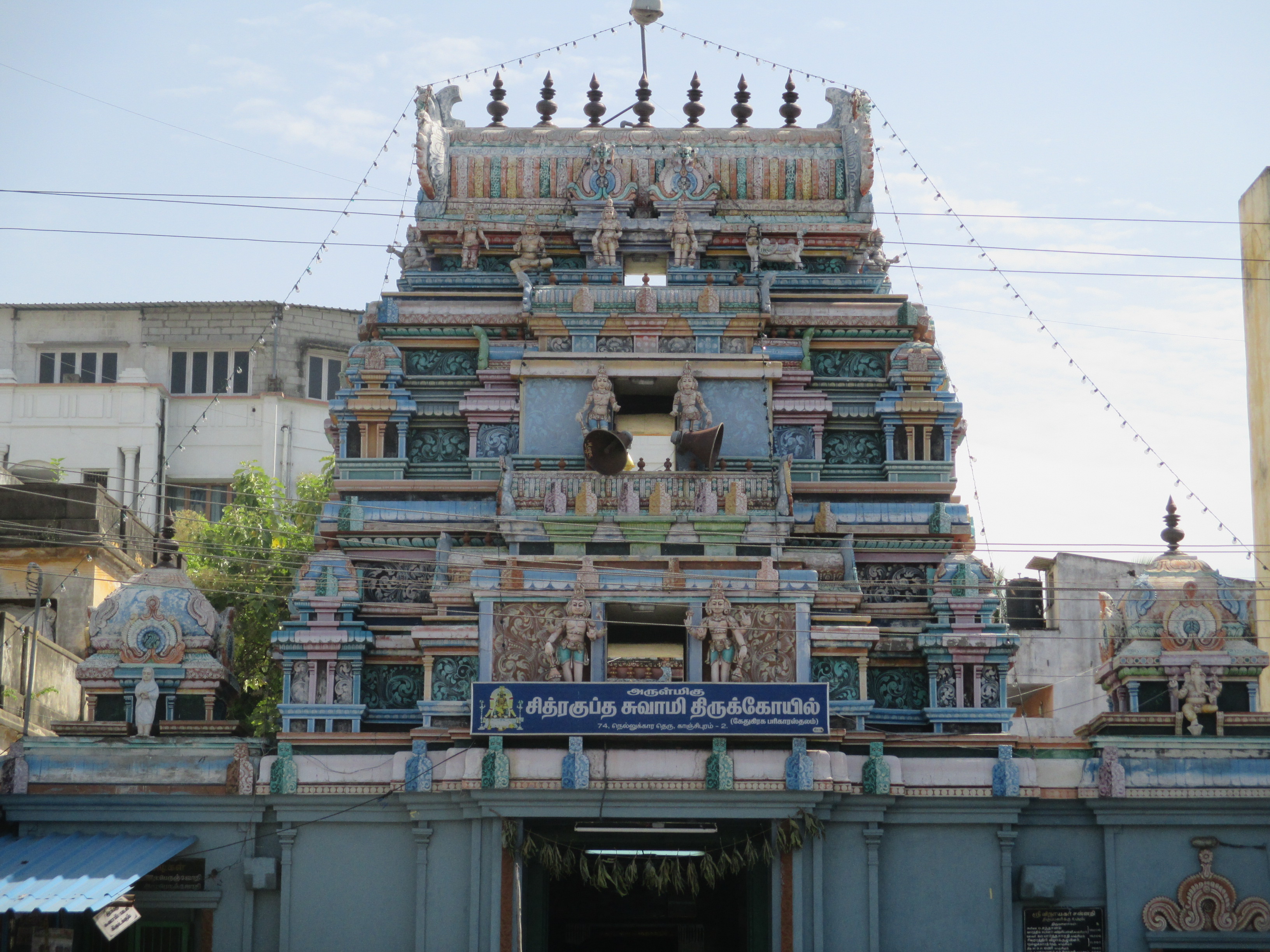
Chitra Pournami is a Tamil Hindu observance marked on the full moon of the Chithirai month. It is especially associated with Chitragupta, regarded in Hindu tradition as the divine keeper of records of human deeds.
The day is observed through temple worship, prayer, fasting or simple vegetarian meals in some households, and pilgrimage. Customs vary by temple and region, with Tiruvannamalai and Kanchipuram among the best-known Tamil Nadu centers of observance.
Chitragupta — Devotees honor the divine record-keeper associated with keeping an account of deeds, making the day a time for moral reflection and prayer.
Self-examination — Worship and observance are often connected with seeking forgiveness for mistakes and resolving to act with greater care and integrity.
Full-moon pilgrimage — At Tiruvannamalai, the full moon is an important occasion for Girivalam, the circumambulation of Arunachala Hill in devotion to Shiva.
Chitra Pournami belongs to the long-standing Tamil calendar and temple traditions surrounding the Chithirai full moon. Stories about Chitragupta developed within Hindu traditions that portray him as the scribe or accountant associated with Yama and the recording of deeds.
Over time, local temple traditions gave the observance distinct forms. Kanchipuram became closely associated with worship at the Chitragupta Swamy Temple, while Tiruvannamalai became strongly identified with full-moon Girivalam around Arunachala.


