Fugias
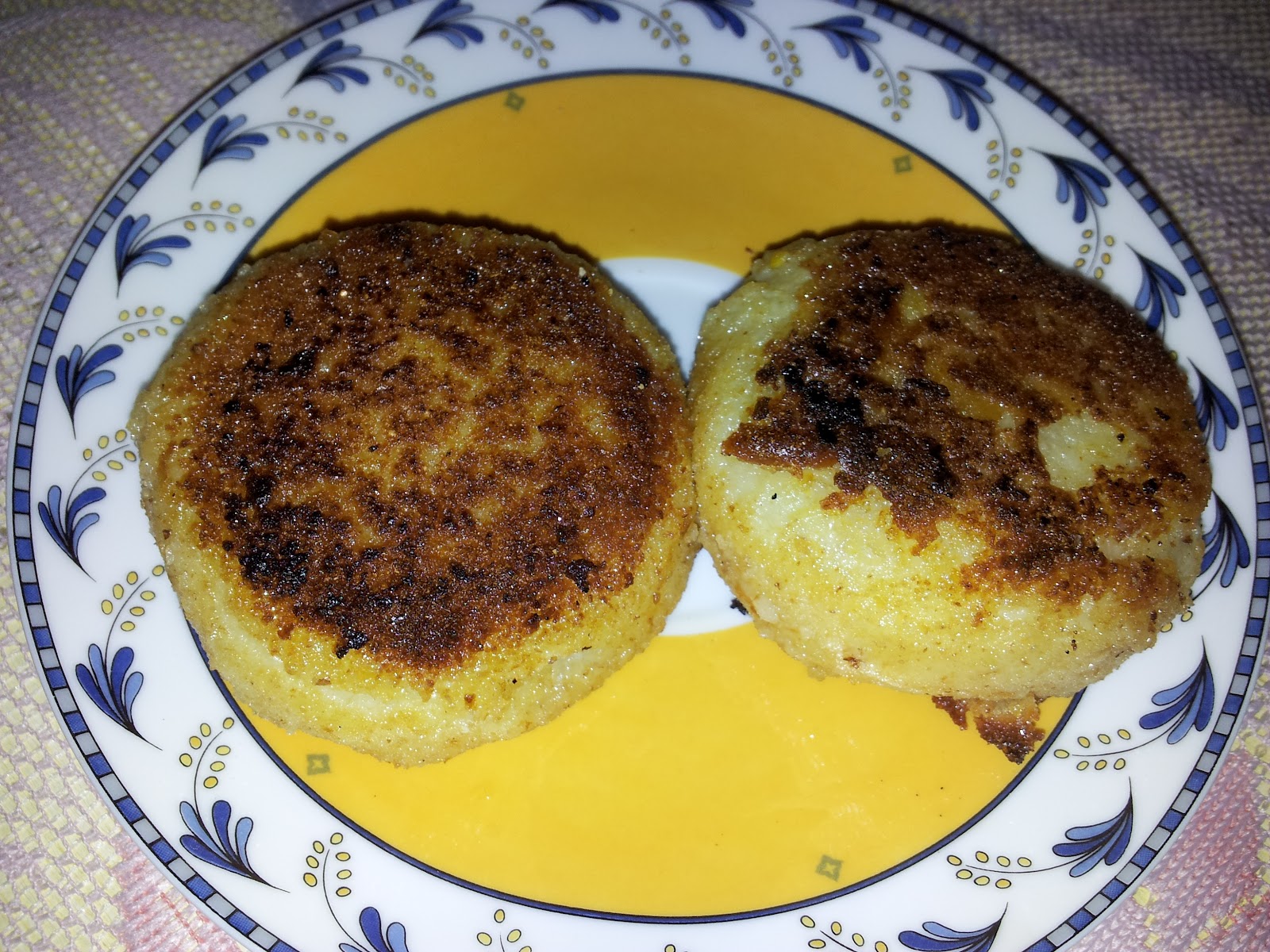
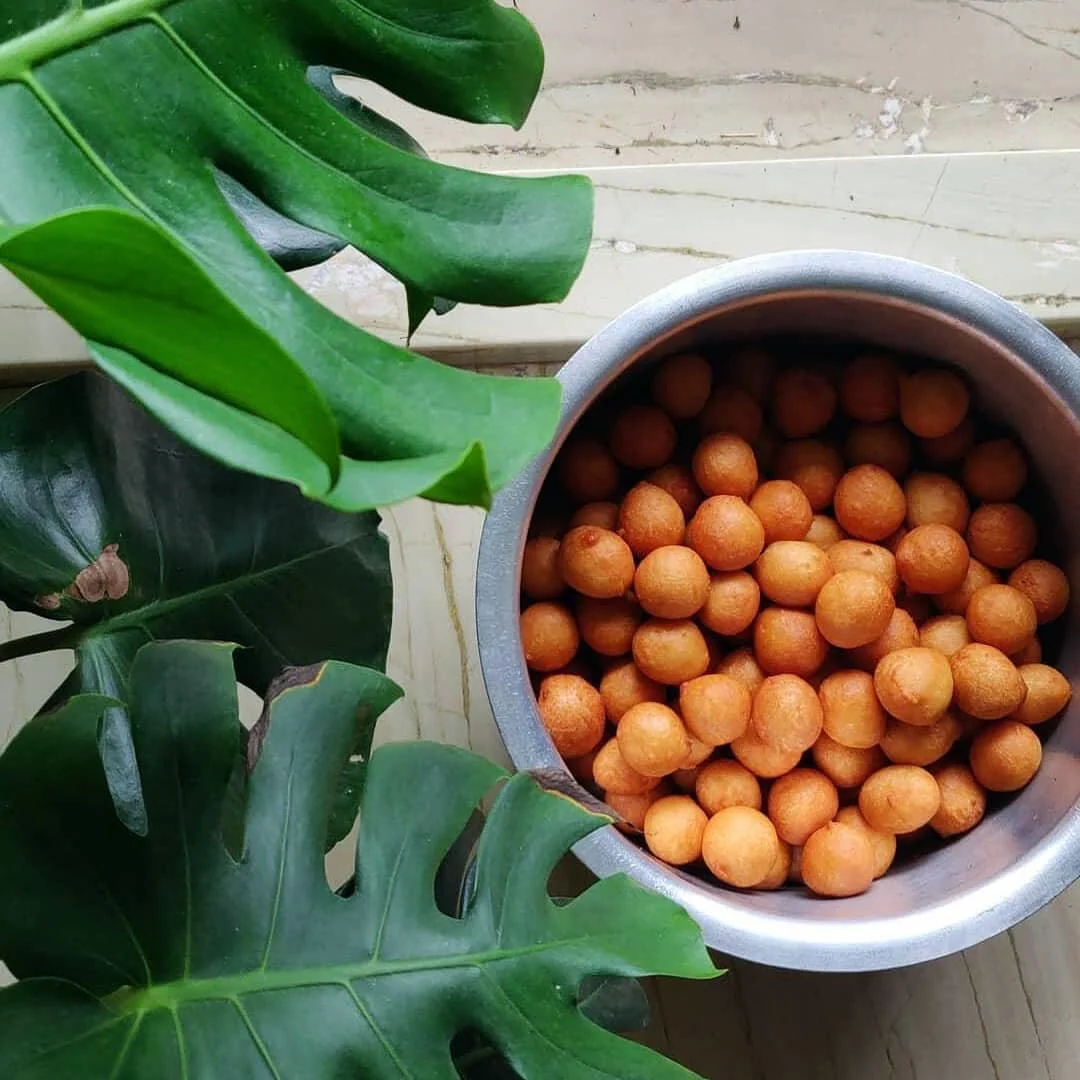
Small, round fried breads with a lightly sweet taste and airy interior, commonly served at East Indian family feasts.

Religious & cultural harvest festival
Also known as आगेरा
An East Indian harvest thanksgiving rooted in faith, farming, community, and the sharing of the first sheaves.
Agera is a harvest thanksgiving festival traditionally observed by East Indian Catholics in Mumbai and parts of the surrounding North Konkan region. It brings together Christian worship and the community's long agricultural relationship with the land.
The central harvest symbol is a sheaf of newly gathered grain, especially paddy. The harvest is brought to church, blessed during worship, and shared with families and households as a sign of thanksgiving and abundance.
Thanksgiving for the harvest — Agera gives thanks to God for the crops, the land, rainfall, and the work involved in cultivation.
First fruits — The newly harvested grain represents the first fruits of agricultural work and is offered and blessed before being taken into homes.
Community heritage — The festival also preserves memories of a farming way of life that remains important to East Indian identity even as many former agricultural areas have become urbanised.
Agera developed within the agricultural traditions of the East Indian community of the Mumbai and North Konkan region. The community's Catholic identity emerged from local communities that encountered Portuguese missions and conversion during the 16th and 17th centuries, while many older regional customs and cultural practices continued in adapted forms.
As farming declined in many parts of metropolitan Mumbai, Agera increasingly became a celebration of cultural memory as well as harvest thanksgiving. Community groups and gaothans continue to revive processions, traditional dress, music, and the ceremonial blessing of grain.